
The Lane Less Traveled
by Teresa Rodriguez
Century-old vines, an unprecedented harvest and a new chapter at Limerick Lane
There is a moment in every vineyard visit when someone starts talking about rootstock, clones and fruit set, and you must decide whether to lean in or begin calculating how long until the next pour. At Limerick Lane, I leaned in.
Largely because the vines we were standing beside were planted in 1910, which does tend to reframe the conversation.
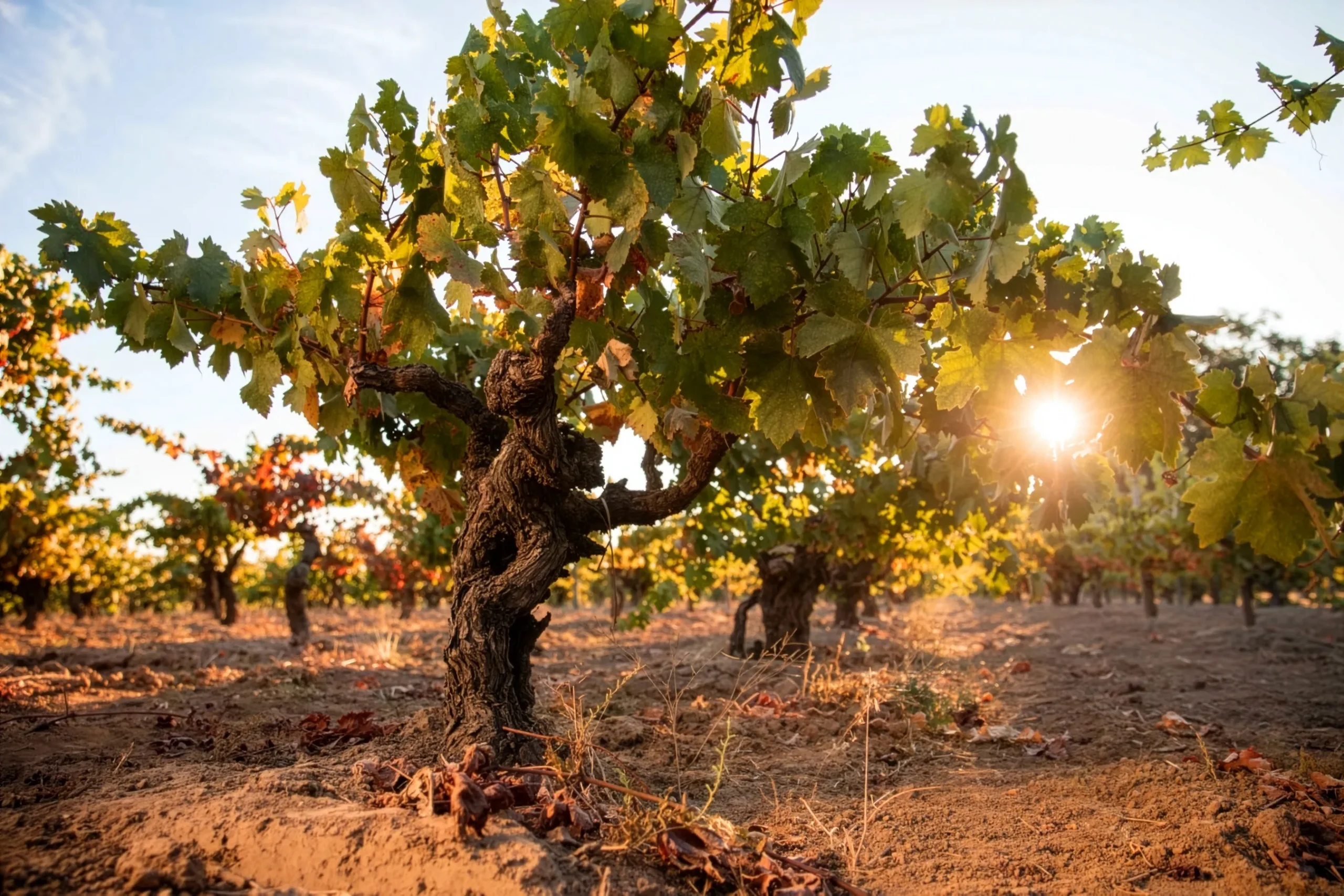
These are not “old vines” in the way the phrase gets deployed on back labels. These are 115-year-old survivors, still producing fruit on 53 acres tucked into the far northeastern corner of the Russian River Valley, right where the landscape starts leaning toward Chalk Hill and Alexander Valley.
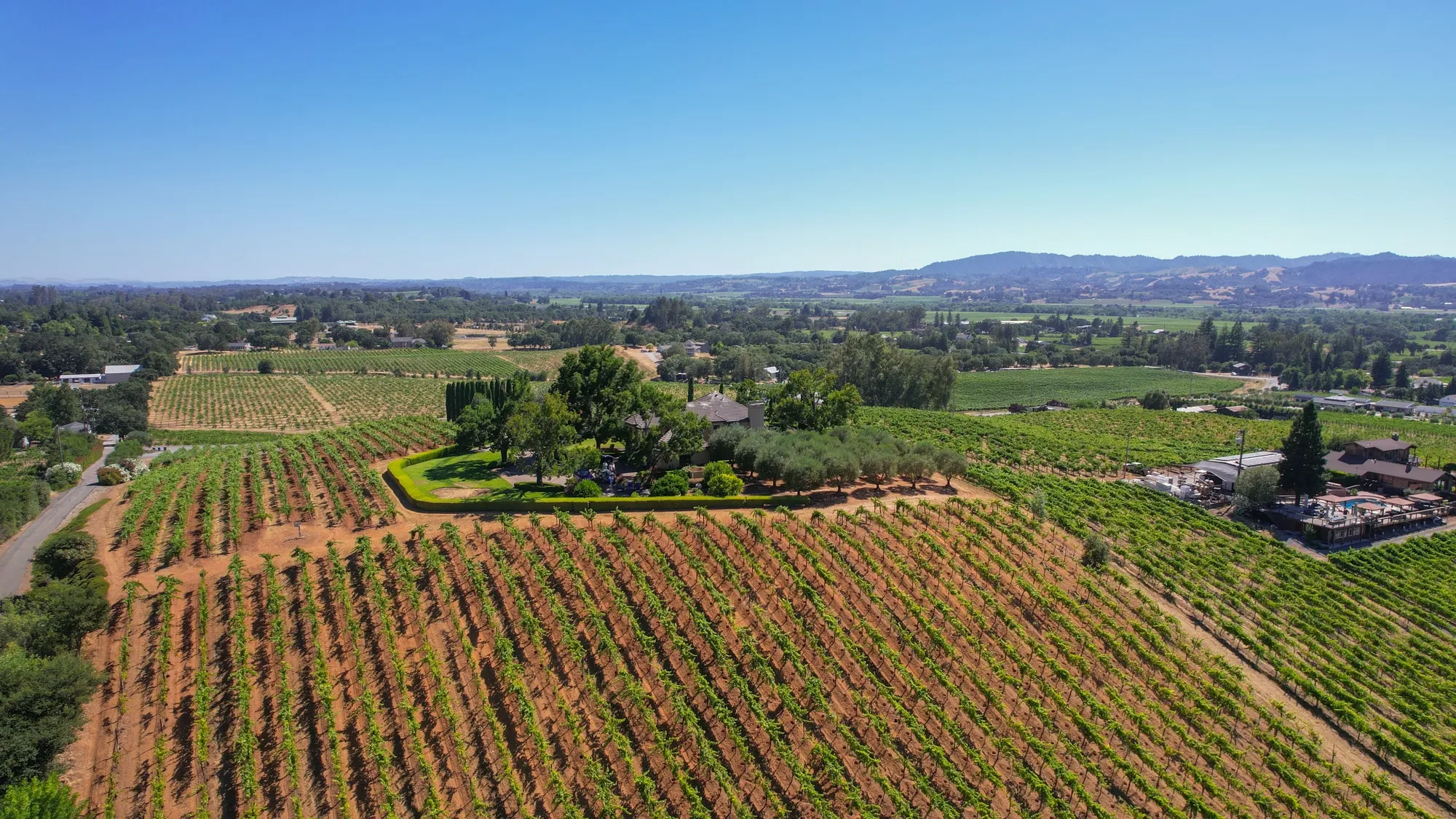
“They didn’t get this old by being weak.” Andy Tester told me as we walked.
Fair.
Andy came to wine sideways, which is how most of the interesting ones arrive. Restaurants first. Still a working musician, upright bass. He traded the restaurant life for the wine business when his wife became pregnant with their son, and he has been in the industry since 2007. He is also exactly the person you want beside you in an old vineyard, because he talks about these blocks the way other people talk about records they love.
The vines trace back to the Del Fava family, Italian immigrants who arrived in the wave surrounding the Gold Rush. By the time most of them got here, the gold was largely spoken for. Land, however, was not.
And they brought something else from the old country: wine. Not wine as a luxury good. Wine as dinner. Wine as agriculture. Wine as culture.
Those families planted one another’s vineyards, married into one another’s families, and built a neighborhood out of it. The original Limerick Lane block went in as a field blend, mostly Zinfandel with other varieties scattered through the rows like a seating chart nobody enforced.
That lack of tidiness may be the whole point.
Andy describes each old Zinfandel vineyard as a chorus. Site matters. The odd varieties tucked into the rows matter. Age matters. No two sing the same way.
A harvest nobody ordered
When I visited in early September, Limerick Lane was roughly 90 percent finished picking.
This is not normal. “This is the earliest harvest on record,” winemaker Chris Pittenger told me.
The mischief started months earlier. An unusually warm, dry March woke the vines up ahead of schedule. Then February’s weather turned up in April and May, precisely when the vines were flowering, which sabotaged fruit set and produced an unusual combination: an early vintage carrying a light crop. Less fruit means less fruit to ripen. Hence the sprint.

Some varieties took it harder than others. Pinot Noir dropped by more than half in places. Zinfandel held up better, down roughly 20 to 25 percent. The good news, per Chris: “Low yields, high quality.” That may be the most efficient summary of 2026 anyone will offer you.
Where the fog stops and the rocks begin
One of the estate wines is called Rocks & Fog, which sounds like poetry until you stand in the vineyard and realize it is closer to a weather report. The name comes from a French saying about the most interesting vineyards sitting where the fog stops and the rocks begin.
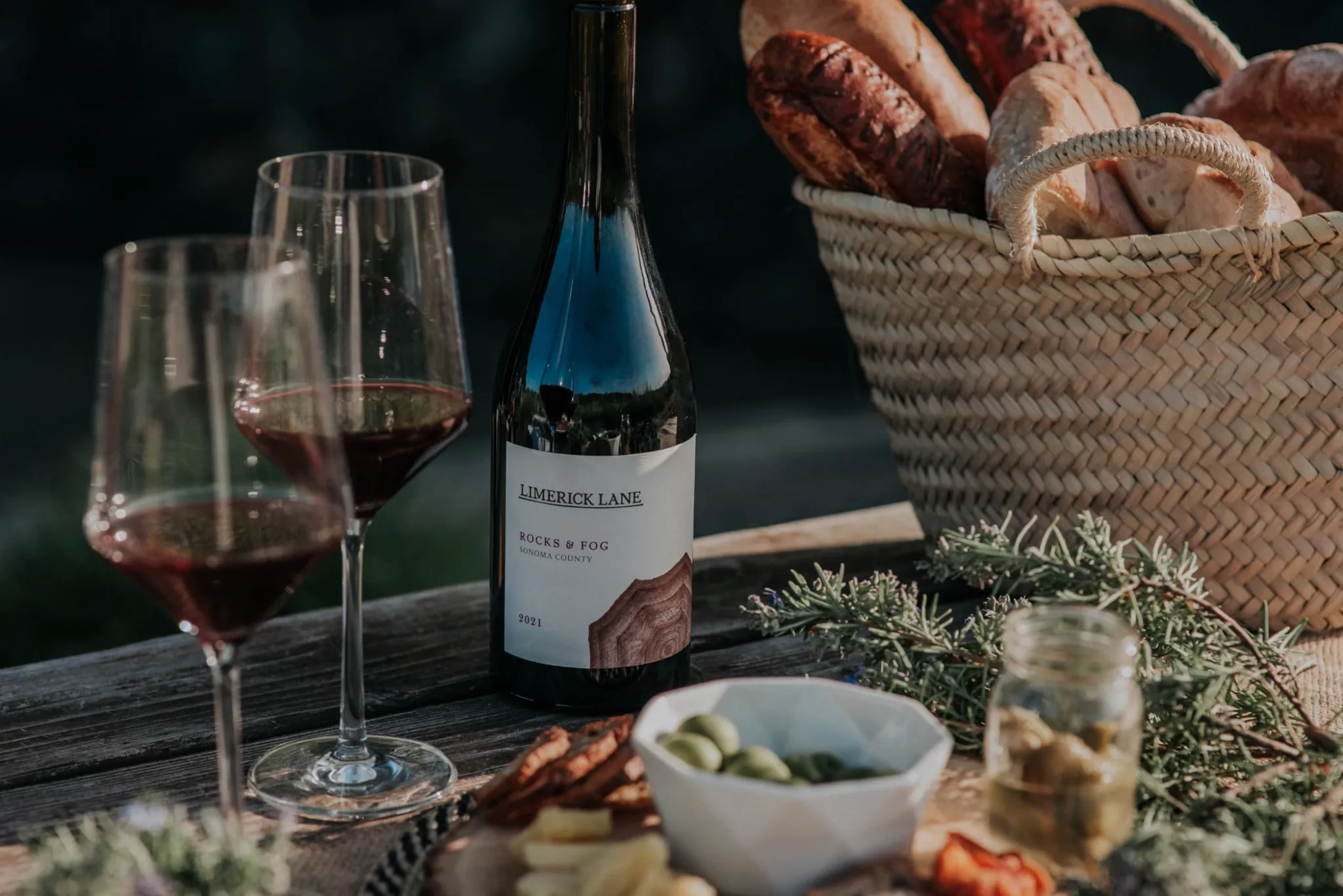
Which is, more or less, the address.
Limerick Lane is technically Russian River Valley, but Chalk Hill starts just over the ridge, and Alexander Valley is about a mile north. Growing-season temperatures swing 30 to 40 degrees between afternoon and night. Fog pushes in, heat retreats, cold air pools in the lower vineyards while the estate sits just above most of the frost line.
Not as warm as the neighbors. Not as cold as the valley floor. A Goldilocks situation, if Goldilocks had strong opinions about Zinfandel.
Rocks & Fog itself is a Rhone-style blend, mostly Syrah, Grenache and Mourvedre with a whisper of Petite Sirah. Chris spent a decade making Rhone wines in the Sierra foothills before arriving, and parts of the estate that once grew Pinot Noir have been replanted or grafted over.
There are also whites coming: Chenin Blanc and Vermentino recently grafted onto the estate, Fiano behind them, with Grenache Blanc and Viognier in the program through purchased fruit. Someone during my visit referred to these as the “sexy whites,” and I have no intention of ever calling them anything else.

The preservation project disguised as a wine list
Modern commercial vineyards typically get replanted after 25 or 30 years. Yields fall, farming stops penciling out, some new rootstock promises better numbers. On a spreadsheet, pulling a vineyard often makes perfect sense.
Which is why a 115-year-old block feels faintly miraculous.
“When you have these vineyards that predated all of the economics coming into the equation,” Chris said, “you’ve got these relics.”
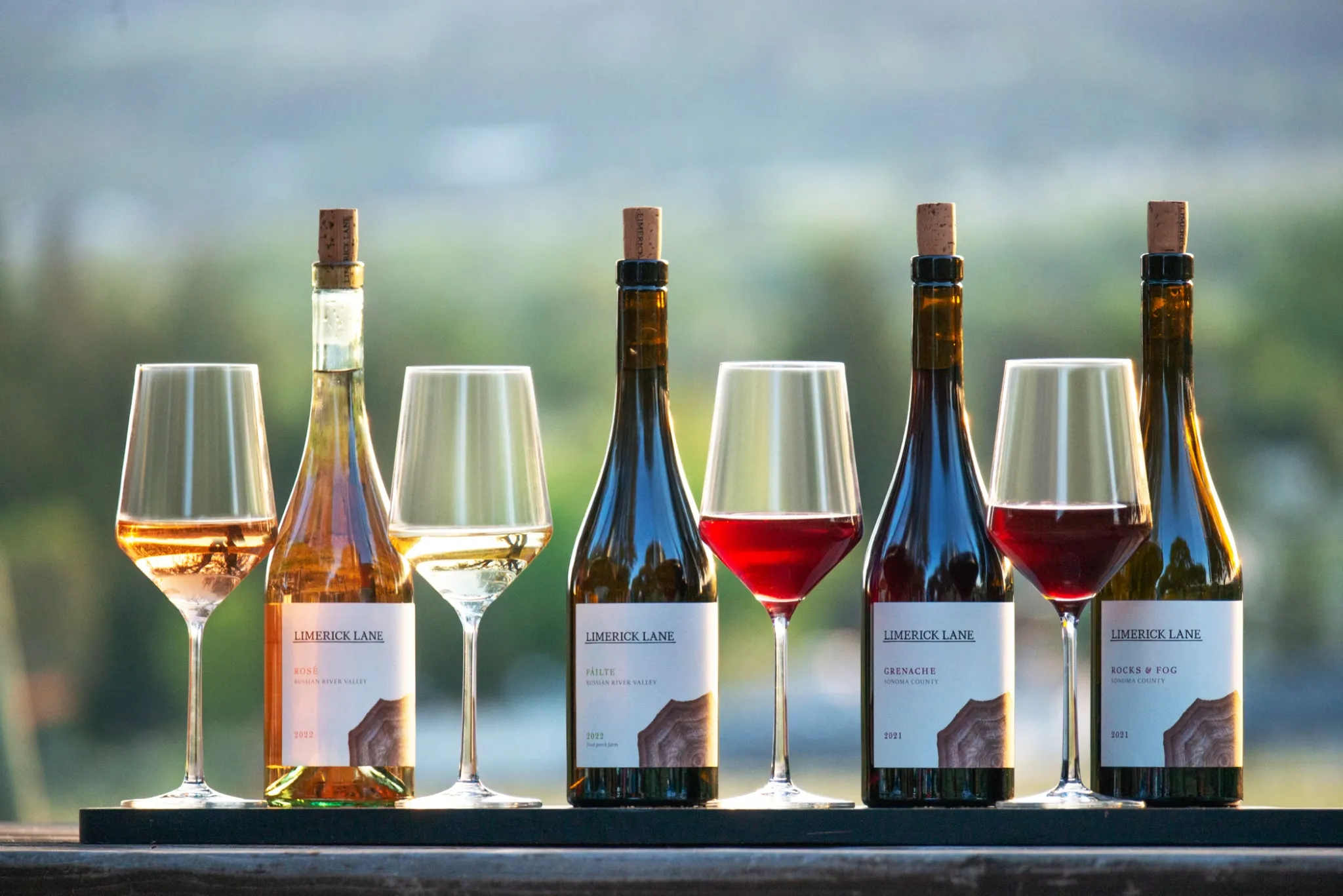
Limerick Lane buys fruit from old-vine sites across Northern California, including Monte Rosso and Maffei, vinifying many of them separately in almost comically small quantities. Marquis, the old-vine reserve blend, gathers barrels from several of these historic sites into one bottle.
The winery may produce only 50 to 150 cases of a single-vineyard designate. But buying that fruit gives a grower an economic reason to leave 100-year-old vines in the ground rather than converting them into houses, or into something more productive.
You can plant a Zinfandel vine tomorrow. You cannot plant a 115-year-old Zinfandel vine tomorrow.
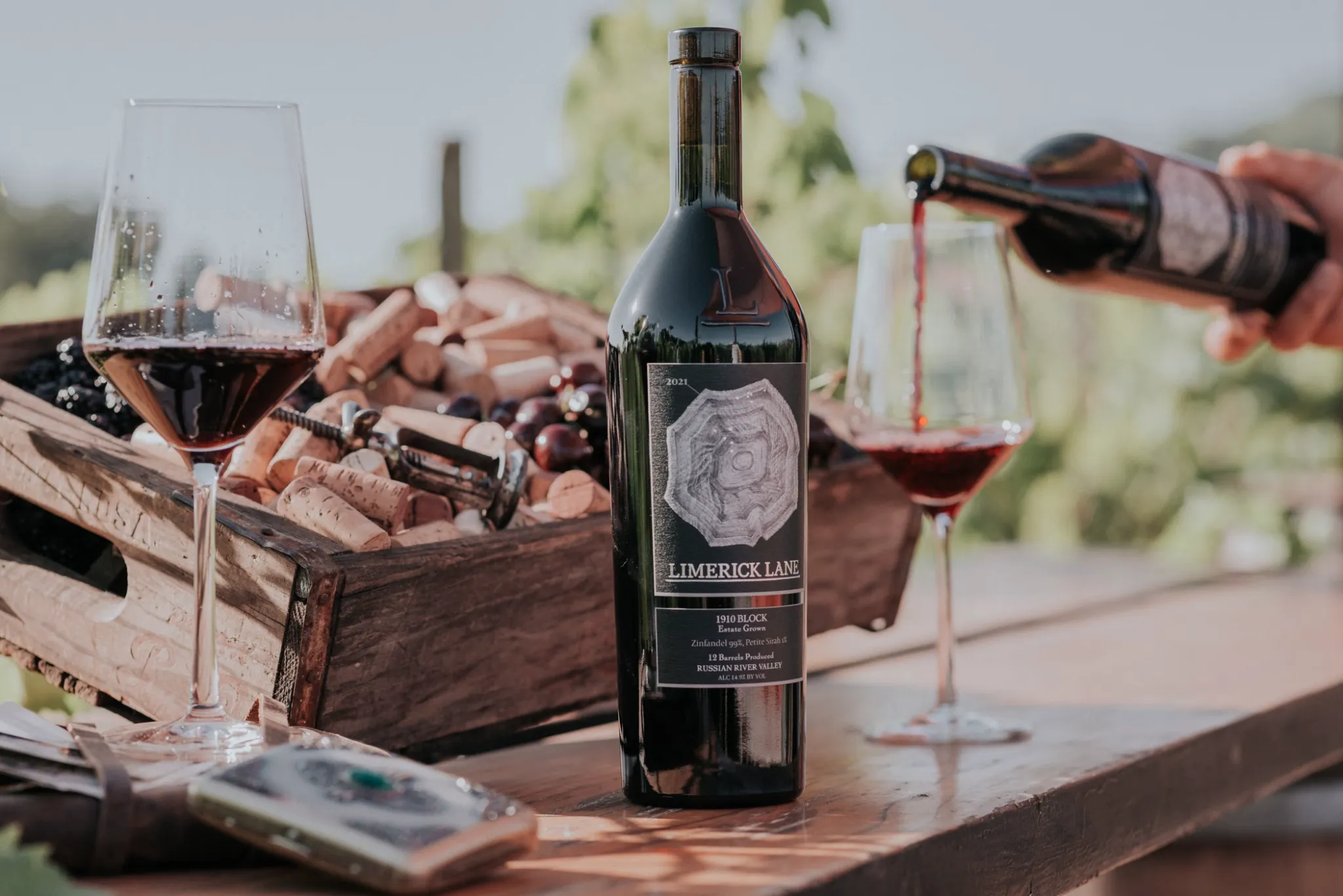
The critics have caught on, incidentally. The 2023’s produced a faintly absurd run: 98 points each for Rocky Knoll Block, Marquis and the 1910 Block, 97 for the Estate Cuvee and Ricci Block, with several more landing between 95 and 96-plus. At a certain point, “award-winning” starts to feel like an undersell.
And yet the wines generally stay under $100, with the Estate Cuvee topping out around $92. If Napa possessed 115-year-old Cabernet vines, someone would have found a way to charge four figures before the fruit hit the crusher.
“We try to over-deliver,” Chris said.
Luxury, it turns out, does not have to mean charging the absolute maximum a person will tolerate. Sometimes it means knowing exactly what you have and staying welcoming anyway.
The part where you don’t go home
Here is the detail that reorganizes the whole visit: you can stay.
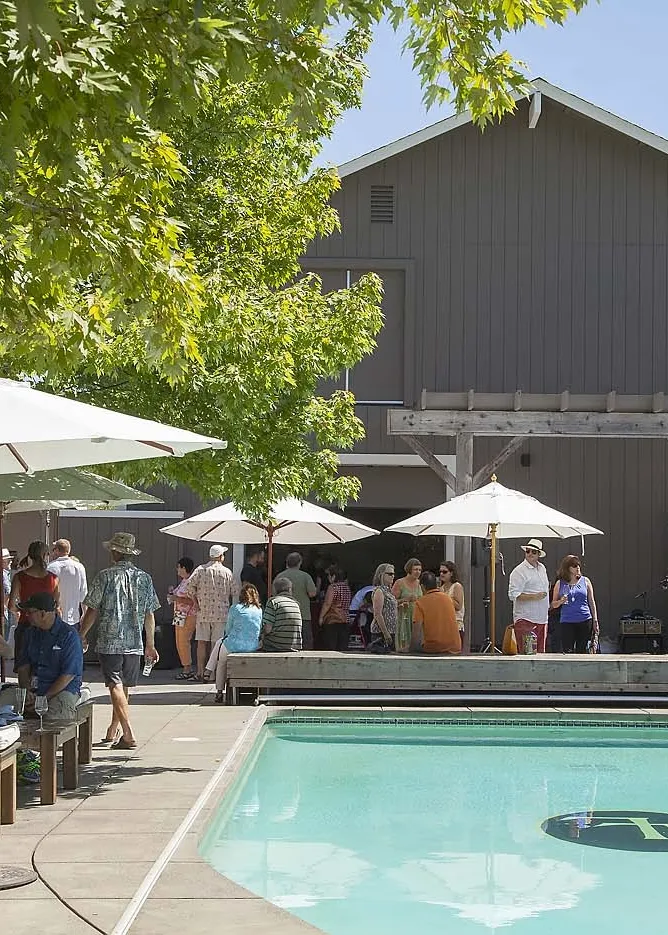
Limerick Lane has estate homes for guests, which means the afternoon does not have to end when someone politely mentions the tasting room is closing. There is a pool, a chef’s kitchen, olive groves and 360-degree vineyard views. Downtown Healdsburg is five minutes away should you suddenly require shopping or a serious dinner, which, naturally, you might.
I suspect the actual luxury is not needing to go anywhere at all.
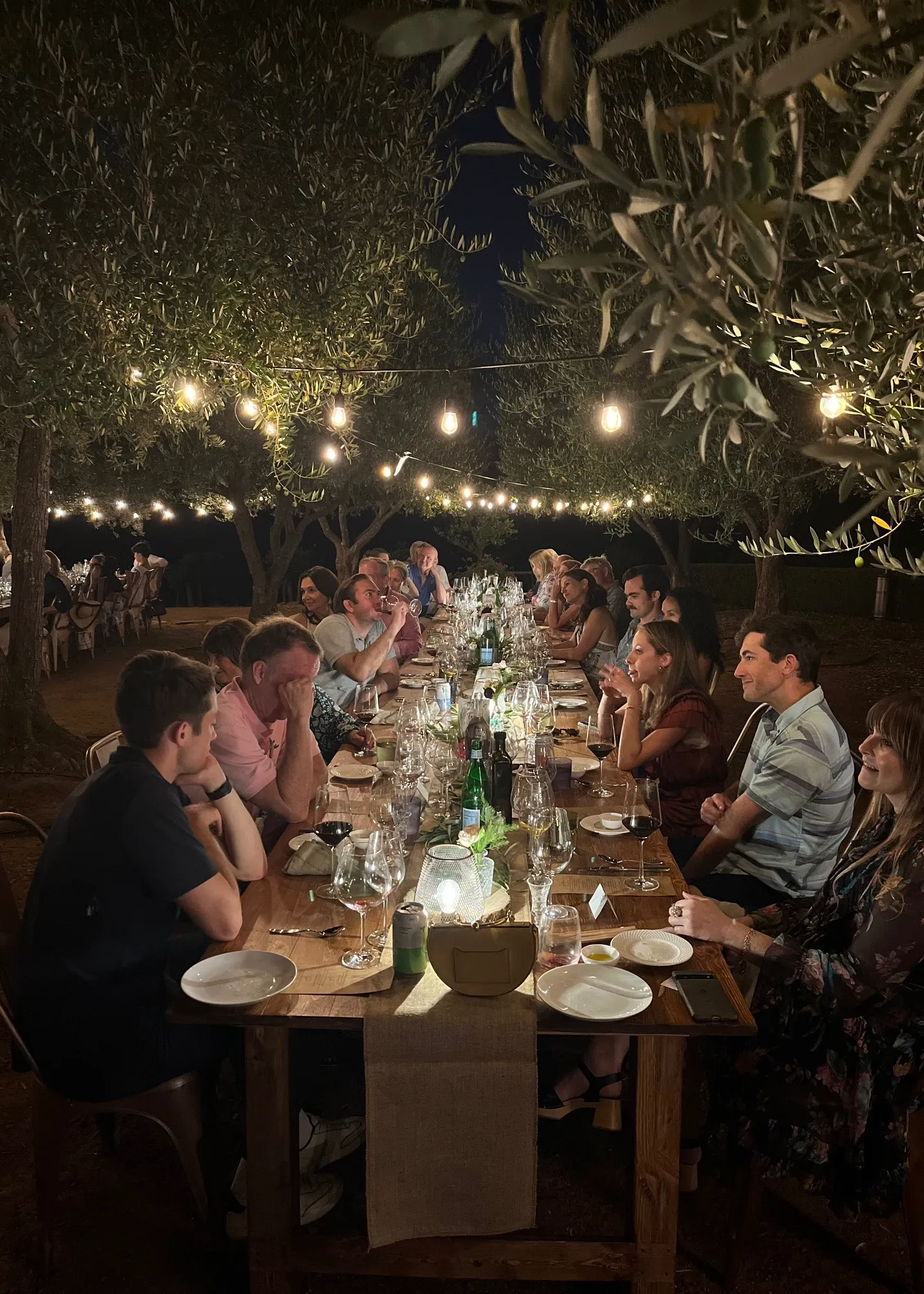
The estate also hosts everything from wine-pairing dinners to birthdays, anniversaries, reunions and corporate retreats, indoors and out, for groups of eight to 100. A long table in the vineyard, very good Zinfandel and nowhere to be afterward is, I would argue, the highest form of Sonoma.

Forty harvests, and counting
This year marks the winery’s 40th harvest, and owner Karen Francis DeGolia’s history here runs back more than three decades. She first arrived during the original revival, working alongside her fiancé, Tom Collins, the winery’s founder, farmer and winemaker.
They were building something together when Tom died unexpectedly. Karen returned to her corporate career. Limerick Lane, evidently, had other plans, and in 2022 she came back as its owner and steward.
I love that word, steward. A vineyard planted more than a century ago doesn’t really belong to anyone. You get your turn. You care for it. You hand it forward, ideally in better shape than you found it.
The rest follows the same logic: organic and sustainable farming, solar, electric vehicles, around 5,000 cases a year. The goal is not maximum production. It is making sure the land outlasts everyone currently standing on it.

The people who planted those vines in 1910 could not have pictured us there in 2026, debating fog patterns and whether Vermentino qualifies as sexy. They planted grapes because that is what they knew. Others kept them alive. Then others did it again.
Wine gets consumed. A vineyard, if enough people care, outlives every single person who touches it.
Come for the Zin. Stay for the Lane.


